

Swansea University Science for Schools Scheme (S4) is a Science, Technology, Engineering, and Mathematics (STEM) outreach project which connected Key Stage 3 pupils in South Wales with university science from 2013 – 2023.
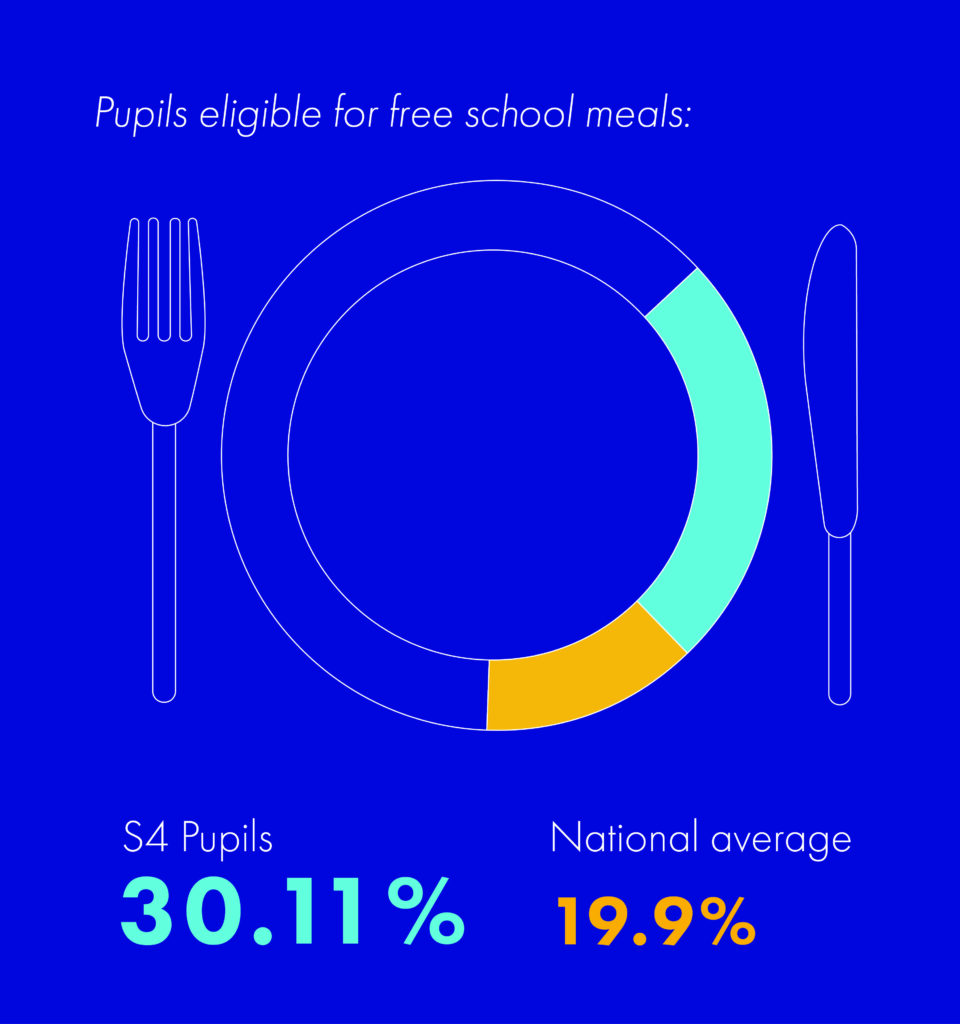
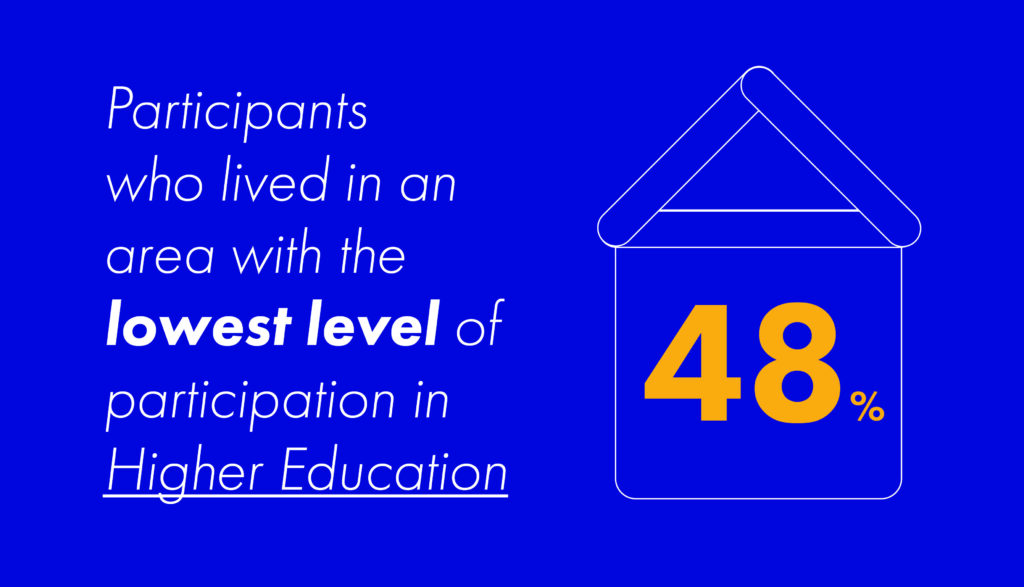
S4 was led by research scientists and focused on getting young people excited by, and engaged in, science through free, hands-on, curiosity-driven, and research-led workshops. S4 successfully increased access to STEM learning and contributed to STEM uptake and attainment in higher education among students from backgrounds with traditionally low participation in higher education and STEM.
S4 participants took part in lab-based, hands-on STEM workshops, at a dedicated outreach classroom on Swansea University’s Singleton Campus. Our workshops complemented and reinforced the national science curriculum, covering topics in Biology, Chemistry, and Physics. Literacy and numeracy skills were also key elements in our teaching.
S4 was established in 2012 by Professor Mary Gagen and Dr Will Bryan at Swansea University. From 2018 – 2023, S4 formed part of the pan-Wales Trio Sci Cymru Consortium which was funded by the European Social Fund and Welsh Government. Although S4 funding has now ended, you can still access all of our freely available and downloadable resources on our portal.
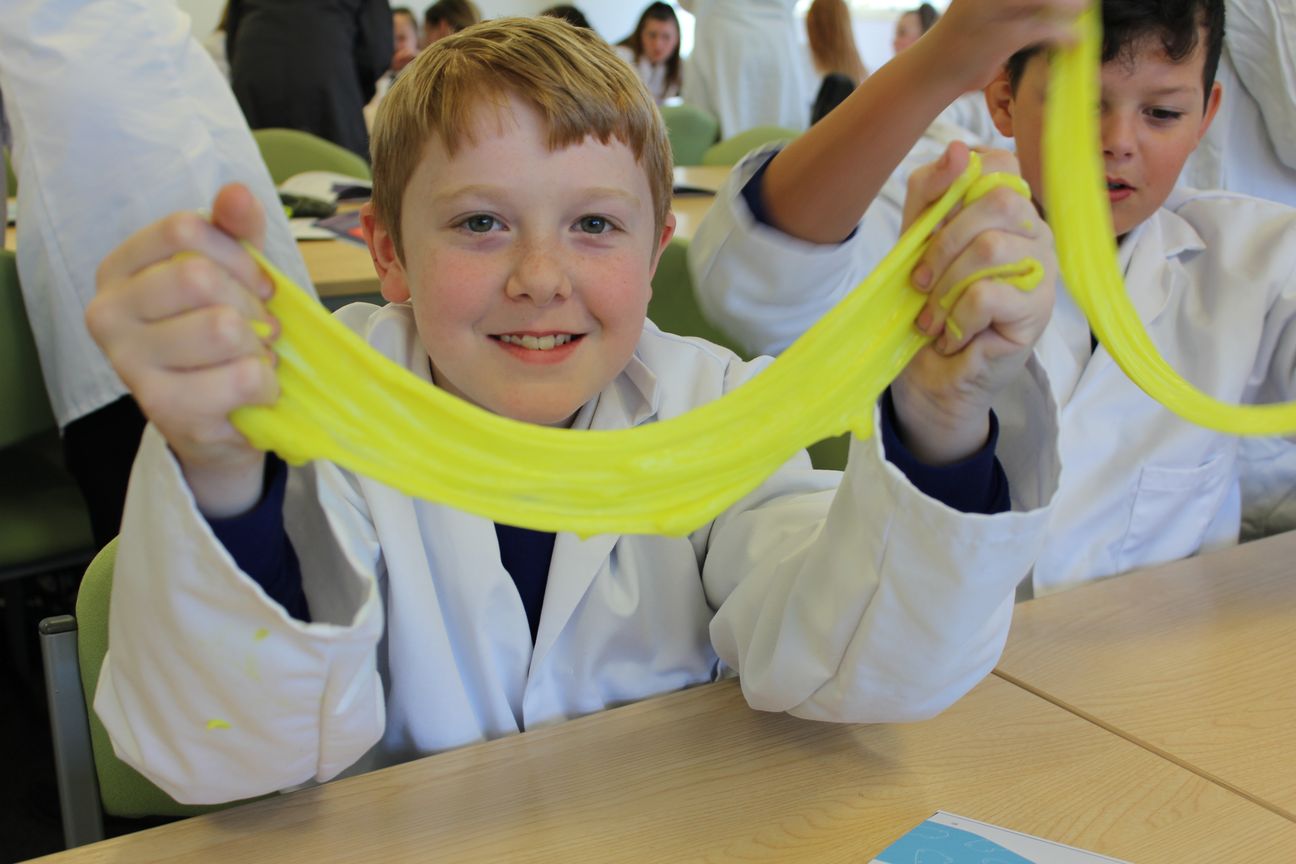

S4 ran hands-on workshops, experiments, experiences and science shows both on the Swansea University campus and in schools. Our work was informed by talking to and surveying participants, parents and teachers. This enabled us to learn a great deal about what influenced whether a child engaged with STEM subjects and whether they felt confident about their ability to ‘do science’, and how this influenced young people’s consideration of STEM careers.
S4 improved attainment in Biology, Chemistry and Physics through hands-on workshops and studied how such activities change the way children think about these subjects.
As part of the S4 Trio Sci Cymru consortium which ran from 2018 - 2023, we ran two full-day science sessions per term for three years, which followed the same students from year 7 to year 9. Each session was structured to give the pupils the opportunity to develop practical skills, knowledge, and confidence in their ability to do science.
Within a single day, three workshops, based around the three Triple Science subjects, were led by qualified and engaging experts in the subjects. Emphasis was placed on combining hands-on activities, discussions and short talks, with care to showcase the work of female scientists and highlight the wide range of scientific careers that exist.
We are occasionally able to deliver STEM workshops please get in touch if you would like to discuss.
Trio Sci Cymru was a collaborative education and outreach programme, comprising of the Welsh Government Office for Science (WGOS), Aberystwyth, Bangor, Cardiff and Swansea Universities. The aim of Trio Sci Cymru was to understand the attitudes and uptake of the sciences by children in school years 7 to 9. Over the duration of the programme, Biology Chemistry and Physics activities were delivered in schools as a platform to encourage the uptake of STEM (Science, Technology, Engineering and Mathematics) across Wales. The programme also facilitated the longitudinal study of factors that influenced this vital route for young people, via education at all levels, to a skilled workforce.
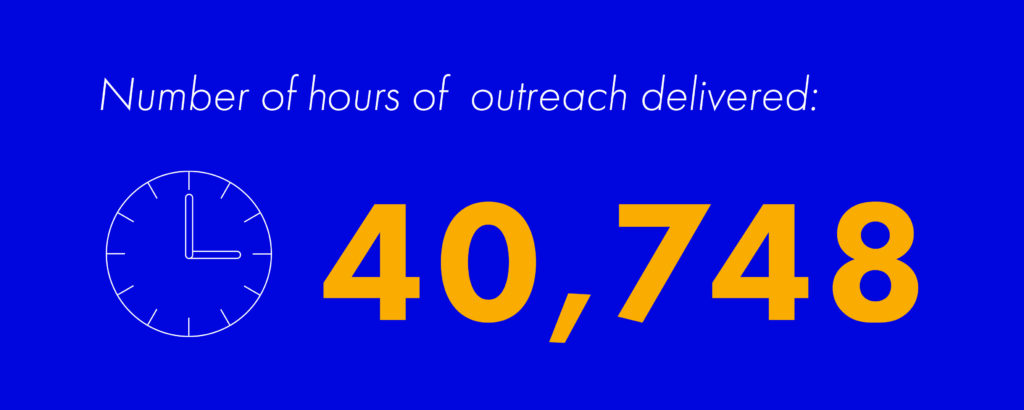
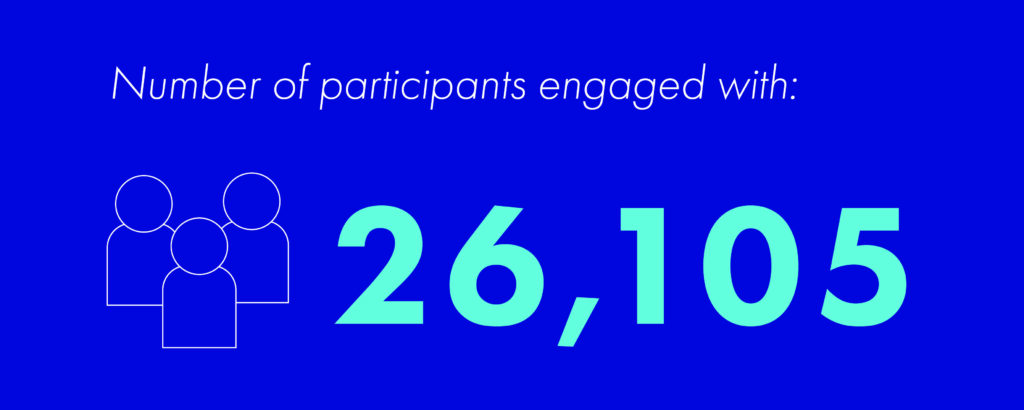
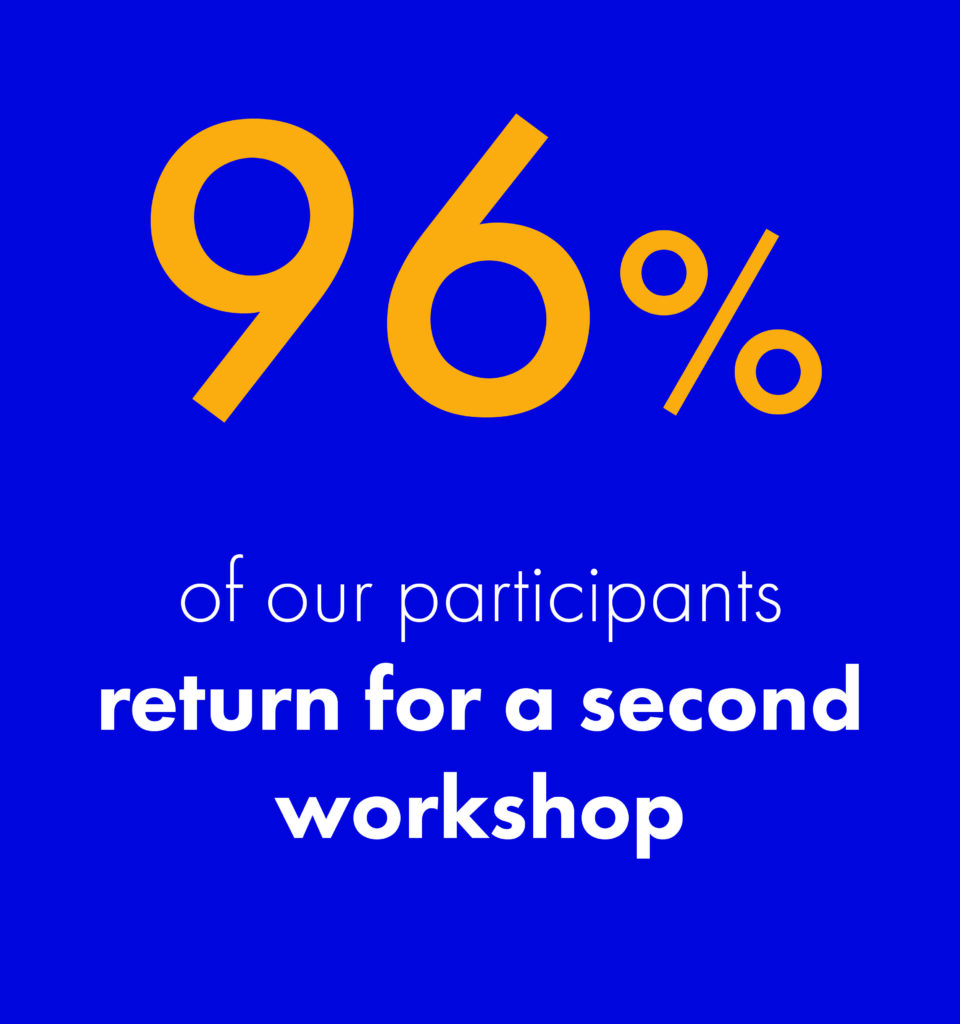
In 2015, S4 ran a transition workshop with our YR 6’s transitioning to Yr7. To encourage parents and pupils to participate S4 initially ran a week of after school clubs. After that we had an anxious wait to see how many would sign up for the programme. It’s a big ask to get them to give up the first week of their school holidays to do ‘science’ at ‘that university’. On the first morning, as we took the bus around the Valley we breathed a sigh of relief as 18 pupils got on the bus, from a class of 36. This was an amazing achievement – S4 had conquered the apathy of many parents. That evening the pupils returned to the Valley excited and enthused. In the evening we took numerous calls as word spread, and more and more parents wanted their child to attend. By the end of the week 32 pupils attended. Those pupils entered Year 7 with better knowledge of science and were keen to learn more. Those pupils are in Yr 9 now and have just chosen their options. Over half of them have chosen to do triple science GCSE. For the first time ever, our school has a Triple Science Option Class going into GCSE”.
What I can confirm 100% is what a wonderful programme and opportunity this has been for our staff and pupils, who have had experiences way outside what we normally could have offered. Many more pupils have developed a passion and love for science throughout the duration of the programme and for this we are very grateful. I sincerely hope that we can explore ways and means of continuing to work in partnership at the end of this current programme to benefit us all”.
Pupils taking part and being able to physically take home bee homes supports a conversation between them and home – this supports communication between science and family”
This was the best day ever! I really enjoyed it. I used to not like science but now I do”.
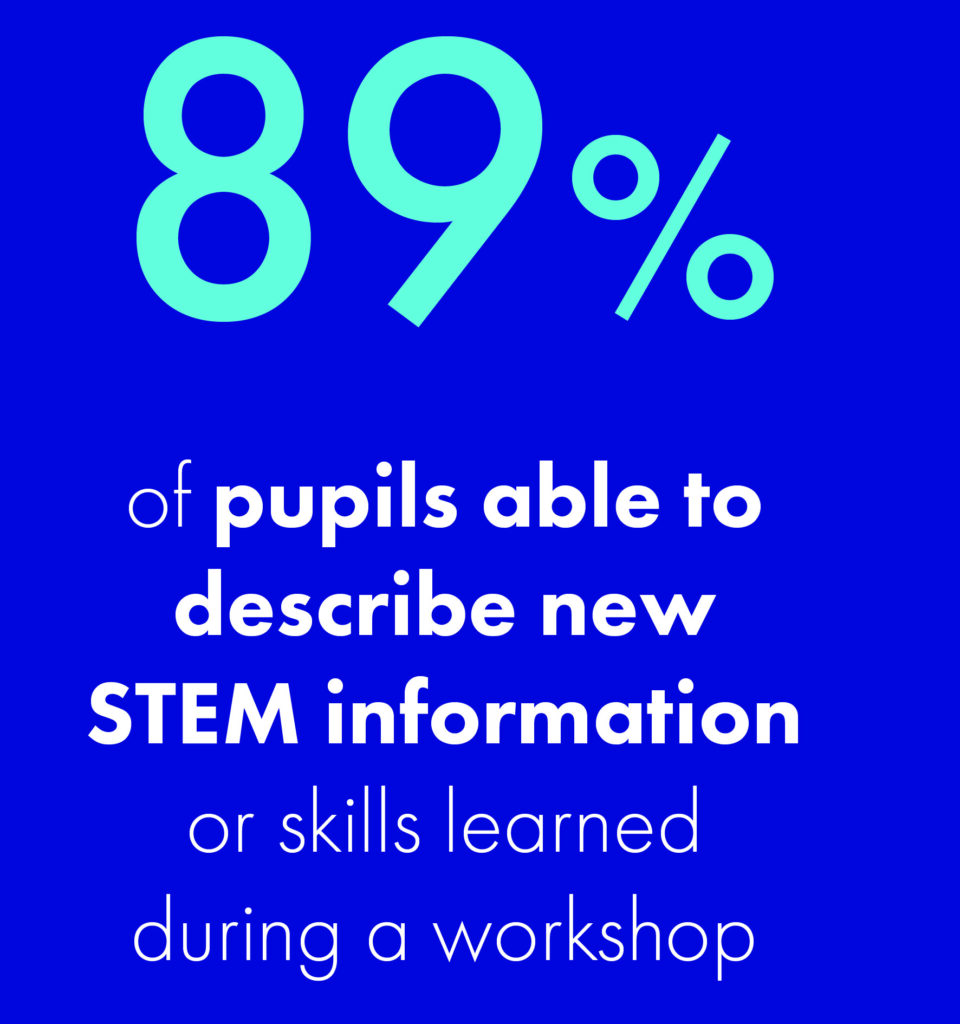
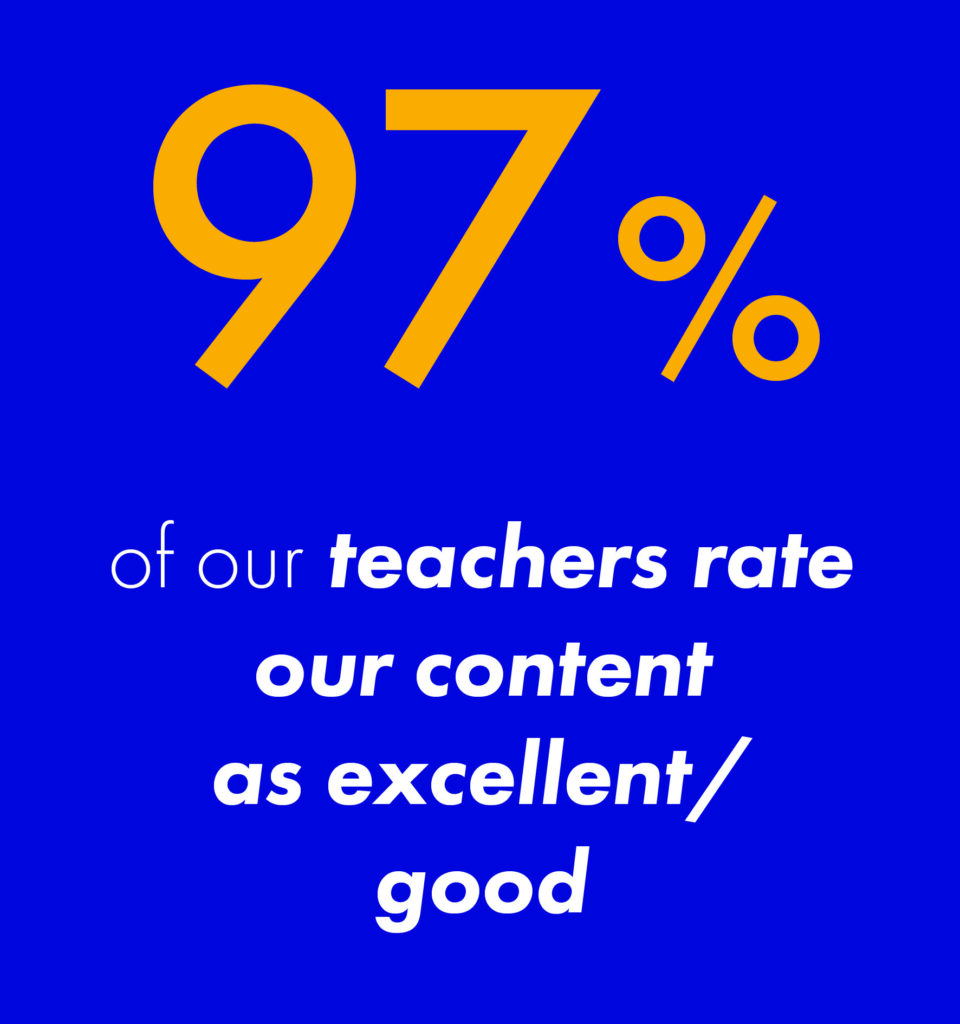
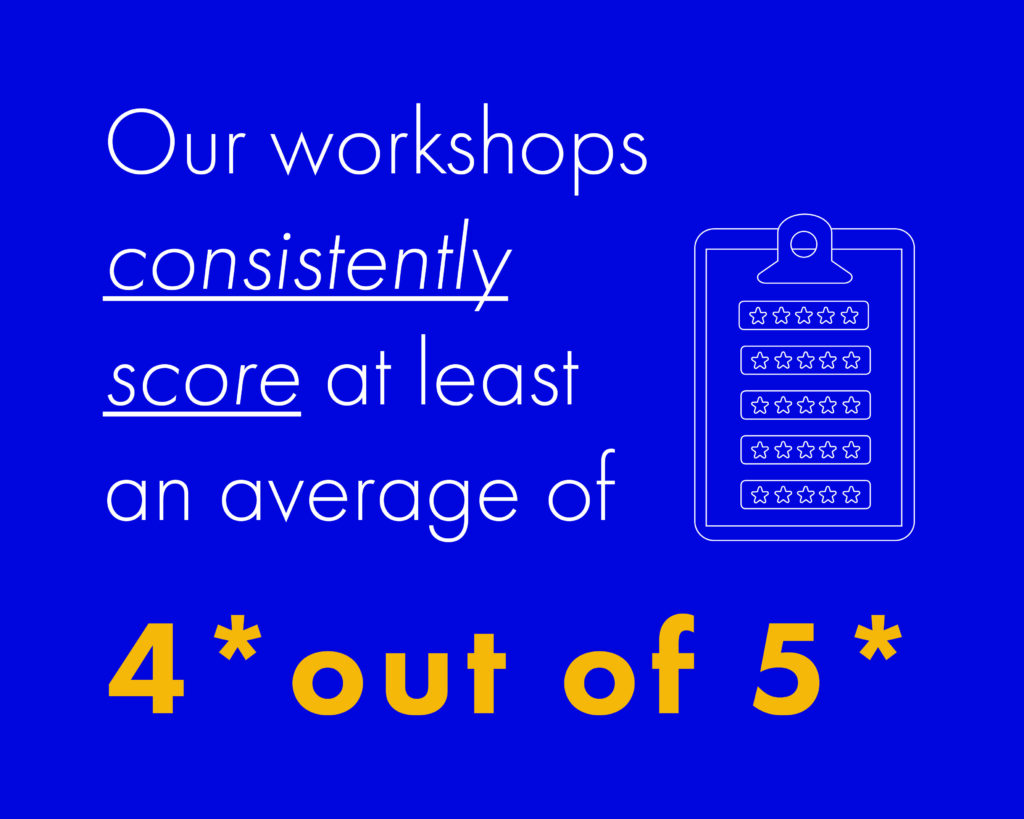
Our teachers report higher levels of engagement in schools and fewer ‘sanction points’ for disengaged behaviour. Pupils use their science learning in other classes. Pupils “love coming here”. Parents give support for the programme at Parents Evenings in school. Personal UCAS Statements of the Yr 12/13 pupils who attend our summer schools mention S4 as a motivator”.
S4 gives them that ‘wow moment’ every term and it means that they get to Yr 10 not hating science! Fun leads to engagement which leads to a desire to make progress in their science education. It works”.
Students who have never engaged with science are able to conceptualise science and use their learning back in school”.